
Prevention Of Illegal Workers Checklist
If you would like to receive our immigration checklist please fill in the form below:
 Search
 Call Us
 Enquiry
 Menu
Menu
If you would like to receive our immigration checklist please fill in the form below:
Please join us for an evening of conversation where we will be presenting creative ideas on how developers can add value to their on-going and future projects. A great opportunity to network with like-minded individuals and businesses, we will also be presenting three short talks on how you can maximise your development projects.
Pub Du Vin, 2 Ship St, Brighton BN1 1AD – 01/02/2018 – 6pm – 9pm
We will discuss ideas that include:
• How good design adds value to the development process and is a competitive investment
• How to communicate business goals effectively
• How to create a confident narrative for planning engagement
• How to set value engineering priorities and establishing quality objectives
• The value of enhanced marketing and customer engagement
Nick Stickland from award-winning Stickland Wright Architects will present the case for how design adds value. They will present the idea that a strong, well-communicated, design process helps build investor confidence by communicating client and investor values to build a strong planning narrative which assists in the sales process. They will be presenting case studies which illustrate their experience of added value through design.
John Healy and Martin John from international law firm Healys LLP will discuss how to manage the legal pitfalls of developments and construction projects by reviewing case studies.
Award-winning placemaking designer Richard Wolfstrome will show how to engage with stakeholders and community to give a sense of ownership and meaning, to help citizens feel a connection and understanding of their places, which inspires a greater sense of community. This in-turn brings about more value, a sense of well-being and longevity of our places.
Healys LLP, 8 & 9 Old Steine, Brighton, BN1 1EJ – 01273 685 888
Stickland Wright Architects & Interiors, 3 Dorset Pl, Brighton, BN2 1ST – 01273 964 051
Please RSVP to adam.batchelor@healys.old-website.shout-loud.co.uk
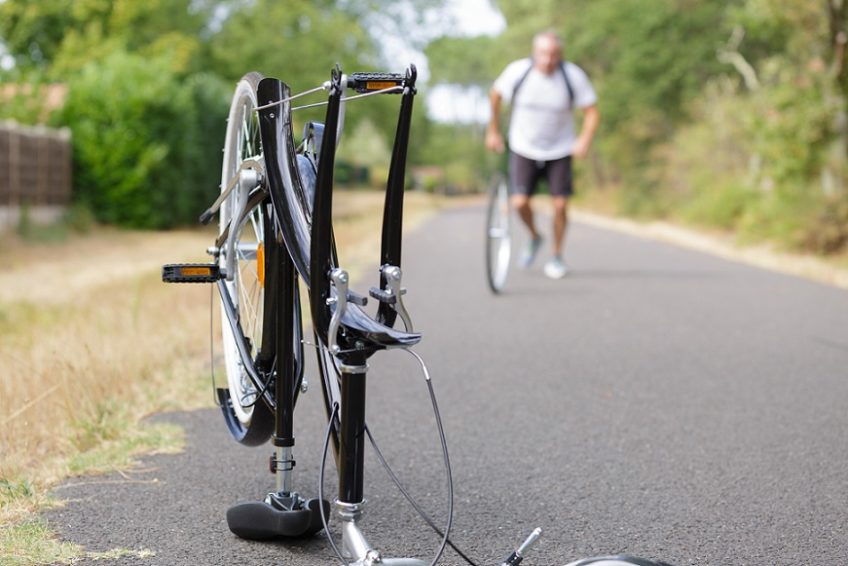
The job of a cycle courier in London is a tough one, and poses its own unique set of challenges.
Navigating the busy roads of Central and Greater London on two wheels is not for the faint-hearted.
Whilst there are many dangers in working as a cycle courier, there are also advantages.
For the health-conscious among us who love to be physically active, working as a courier is a great alternative to a desk job.
Being able to exercise on the job is something few in London can claim of their employment.
Much like cabbies and bus drivers, cycle courier’s knowledge of the city is second to none; quickly establishing shortcuts through rush hour traffic and where to get the best coffee to go.
Despite the advantages of the job, it stands to reason that London cycle couriers are more at risk of being involved in a cycling accident due to the length of time they spend on the road.
London traffic is frantic. Often couriers are rushing to get from one drop-off to another and travel at high speed and, given the nature of British weather, a London courier is likely to be battling the elements throughout his or her shift, as well as the buses and lorries.
Cycling at high speed in wet or windy conditions adds to the dangers of an already high-risk job.
Ensuring good quality maintenance of a cycle and wearing protective, high-visibility clothing should reduce chances of injury; however, cyclists cannot always account for the behaviour of other road users.
If you feel you are in a position to make a cycling accident claim in London, Healys LPP is perfectly situated to provide legal advice and support.
Our first-class solicitors could help you to secure a beneficial settlement should you suffer personal injury as a result of third party negligence on the roads.
According to The Royal Society for the Prevention of Accidents (RoSPA), 3,143 adults and children were seriously injured as a result of a cycling accidents in 2013. A further 16,186 individuals were slightly injured during this period.
With the cycling casualty toll affecting more than 19,000 people every year in the UK, the country’s roads have long been a danger zone for those seeking a more eco-friendly and affordable mode of transport.
In the capital, the problem has become almost untenable. Despite Transport for London (TfL) stepping in to improve safety and enhance the relationships between cyclists and drivers, the rising number of fatalities and injuries is becoming a major issue.
For individuals who have been the victim of a cycling accident in London, justice can be sought thanks to London personal injury compensation solicitors.
At Healys LPP, we have represented and provided legal support for cyclists who have sustained serious personal injuries, including crush injuries such as compartment syndrome. We could help you if you have suffered a similar injury as a result of someone else’s negligence.
Compartment syndrome is a common and painful condition that often occurs following a crush injury. The condition affects the muscles found inside the arms and legs resulting in serious consequences for these important muscle groups, and also the blood vessels and nerves that service these parts of the body.
Known as ‘compartments’, the internal components of the leg and arm muscles suffer an increase of pressure following a crush injury which causes the function of the muscles and surrounding tissues to diminish.
There are two types of compartment syndrome which can occur – acute and chronic – each of which comes with its own symptoms and long term effects.
Unlike chronic compartment syndrome, which happens over time, the acute condition occurs suddenly following a fracture or soft tissue damage. Fractures, soft tissue damage and crush injuries are particularly common in patients who have been involved in a cycling accident.
The chronic condition occurs gradually as the individual takes part in repetitive, motion based exercise such as cycling and jogging.
As an intensely painful condition, acute compartment syndrome has a number of symptoms, if any of the following is identified you should seek medical attention immediately.
Acute compartment syndrome symptoms include:
When diagnosing this acute condition these symptoms are likely to be apparent straight away following a cycling accident, however, they can also occur within 24 to 48 hours after injury.
The long-term effects of acute compartment syndrome are particularly devastating, as individuals may suffer from paralysis, so seeking treatment immediately is important.
The acute nature of this condition means that you may have to undergo an emergency surgery procedure called fasciotomy. Fasciotomy involves creating an incision in the muscle to relieve the built up pressure inside the affected compartments, the incision is left open for 48 to 72 hours to ensure all pressure is released.
If you have sustained a crush injury through an accident that wasn’t your fault and are now suffering from acute compartment syndrome, you may be entitled to compensation.
For individuals who have been involved in a cycling accident in London, we can assist you in making a crush injury compensation claim on your behalf. Please contact our team today on for free, impartial and accurate advice.
Cycling is a great way to get out and about, whilst staying healthy. But, riders must be careful as there are risks which come with cycling. Below, we offer advice on how you can take measures to prevent bicycle accidents.
You must take precautions if you choose to travel on the roads instead of on a designated cycle path. Acting negligently whether or not there are larger vehicles near you, could result in a bicycle accident.
While paying attention to the traffic around you is undoubtedly very important for cyclist safety – as is an equal amount of care and attention from motorists – it is also true that bikes should be well maintained to avoid mechanical problems, which, potentially, could result in accidents.
Brakes should be tested regularly to make sure that they are still suitable for use. In order to do this, you should ride their bike somewhere safe and pull the brake normally. If you find that you are having to pull the brakes quite close to the handlebars, then you should replace your brake cables and pads. In some cases, one of the brakes may need replacing, but not the other.
Wheels should also be checked carefully. If you can hear grinding or cracking noises when you lift and spin the front wheel, then you may need to strip the hub down and re-grease it.
Slack spokes will need retensioning, and in the event that many spokes are slack, the whole wheel may need rebuilding by a professional mechanic. In addition, cyclists should remember that damaged and worn tyres should be replaced.
Other parts of the bike which need to be well maintained include the chains and the pedals.
Neglecting to maintain any one of the above bike parts could result in loss of control while cycling and increases the risk of being involved in a bicycle accident.
The Highway Code provides good advice for bike riders regarding safety on the road.
Although there is no law stating that a cycling helmet must be worn, the Highway Code recommends their use in order to protect the rider from sustaining a serious head injury in the event of a collision.
It also states the importance of dressing appropriately. For cycling in the dark, riders should not just rely on light or fluorescent clothing – they should have lights on their bicycle and wear reflective gear so that drivers can see them better. For example, riders might opt for an across-the-body sash, arm bands, or ankle bands – and might wish to wear all of them to increase their visibility.
Cyclists should also avoid wearing any items of clothing which might get caught in their wheels or gears, as well as anything which could obscure their bicycle lights. So, special care should be taken when choosing scarves, coats, dresses, and skirts before going on a journey by bike. Ideally, no long or loose items of clothing should be worn while riding.
Whereas all of the above is just advice, riders are legally required to have the correct lights on their bike if they are riding at night. There must be a white light at the front of the bicycle, and a red at the rear, as well as a red rear reflector.
If you regularly cycle in rural areas using country lanes, there are steps you can take to improve your safety on the road:
Every year 19,000 cyclists are either killed or injured in the UK, and with the increasing popularity of cycling, cyclist casualties are unfortunately increasing. Whilst the majority of cycling casualties are adults, according to The Royal Society for the Prevention of Accidents (RoSPA), there were 1,958 children killed, seriously injured or slightly injured in cycling accidents during 2013. Whether due to inexperience or poor judgment, one thing is clear from this statistic; teaching your child bike safety is an important part of bringing this figure down for good.
As soon as your child learns how to ride a bike, it is important to set some basic rules, whether they are cycling alone or supervised. Prohibiting cycling in the road or riding on busy streets may seem like an obvious one for young riders, however, with 75% of fatal or serious accidents occurring in urban areas, it pays to be vigilant from the very beginning.
Road safety basics, such as stopping and looking when entering a roadway, stopping at all stop signs and obeying traffic signals, are also important, making the Highway Code essential reading for those wishing to teach their child road safety and awareness. Whether riding at night or during daylight hours, encouraging a positive relationship with other road users and pedestrians is of the utmost importance. Signalling clearly at all times, making eye contact with drivers (particularly at junctions) and riding in a position where you can see and be seen are all rules that should be followed closely.
In addition to teaching the essentials of bike safety, undertaking a cycling training course with your child is advisable. Bikeability, a cycling proficiency scheme run by the Department for Transport (DfT), is a three-part course that inspires confidence and safety when taking on today’s roads on a bicycle.
Bikeability is a cycling proficiency course that is designed to give both adults and children the basic skills necessary for confident pedalling on the roads. However, far from being a simple set of rules, it encourages students to develop the ability to make independent but informed decisions relating to road safety.
Bikeability is run at various locations across East Sussex and is made up of five 90-minute sessions. Sessions may take place at schools, after school or during the holidays.
Individual sessions (for adults or children) can be arranged with the East Sussex Cycle Training Centre in Eastbourne.
One great thing about Bikeability is that it is inclusive: all age groups and cycling levels are catered for, from the users of balance bikes to Chris Froome (should he decide to take the course!).
Instructors on the course are all qualified to the national standard and all have had first-aid training. Courses can be booked online and more information can be found here.
If these numbers are to decrease, road users must take responsibility for their actions and avoid getting into their car if they are under the influence of drugs or alcohol, or are suffering from fatigue.
Furthermore, it is vital that anyone in control of a vehicle pays close attention to the road and does engage in dangerous distractions such as texting, admiring pretty landscapes, road-side advertisements, or attractive pedestrians. Various studies have been proven all of these to cause drivers to lose concentration.
However, it is not only motor vehicle drivers who need to act responsibly – cyclists also need to take preventative measures to reduce their risk of being involved in a road traffic accident.
At Healys LPP, we deal with a wide range of different personal injuries caused by cycling accidents, from short-term injuries which keep an individual off work for a substantial amount of time to serious long-term injuries which require round-the-clock care.
We can also help family members of a deceased individual claim compensation for their loss. This can help relieve financial stresses and make sure that any dependants are provided for.
Some of the injuries we could help you claim compensation for are as follows:
This list is not exhaustive, so please contact our offices to speak with a member of the team about your case.
Just as cyclists have a responsibility to other road users, car, bus, lorry, and van drivers have responsibility for the safety of cyclists.
Although there is some unfair victimisation of cyclists by certain commentators and interest groups, the truth remains that they are the most vulnerable of road users on wheels. In fact, hundreds of cyclists in the UK each year successfully claim compensation for incidents caused by the negligence or recklessness of motorists.
The majority of litigable incidents involve accidents which have occurred in built-up areas or junctions, most commonly as a result of motorist failure to observe a cyclist’s presence on the road.
Even in instances where liability is split – with both cyclist and motorist bearing some responsibility for the accident – it may be possible to claim some compensation for injuries, albeit at a percentage reduced according to the breakdown of liability.
The amount of compensation awarded a successful claim will depend on the type and severity of injury. Common cycling injuries include sprains, fractures, breaks, and head or spinal injuries.
Whilst it seems like bike accidents occur most frequently on the busy roads of London, cycling casualties are evident throughout the UK. In recent years the popularity of cycling has increased, meaning the amount of people killed, seriously injured or slightly injured has also risen. In the UK, 80% of all bike accidents involve adult cyclists, and, to date, more male cyclists have been involved in incidents than female. The remaining 20% of fatalities and injuries involve children, with those aged between 10 and 15-years-old deemed most at risk.
The majority of accidents also take place in urban areas with roundabouts and T junctions still proving to be where cyclists are the most vulnerable. In fact three-quarters of accidents happen at or near a road junction.
Whilst four out of five accidents involving cyclists occur in daylight hours, the most dangerous times to ride being 8.00am to 9.00am and 3.00pm to 6.00pm on weekdays, incidents that take place after dark are most likely to result in fatality.
The relationship between motorist and cyclist has always been a difficult one. However, more and more facilities are being made available on the roads to ease tension and a greater understanding surrounding bicycle road safety is being promoted. Yet, motorists emerging into or turning across the path of a cyclist is still one of the most common causes of injury or death.
Of course, it cannot be said that cyclists are completely blameless; in incidents involving a bicycle and motor vehicle, cyclists riding into the path of another vehicle is still a reason why accidents happen.
Both cyclists and motorists failing to make the correct observations remains the key factor when accident reports are filed with the police. Some 57% of serious incidents were attributed to the car driver failing to look out for cyclists, whilst 43% were attributed to the cyclist’s lack of observation.
Cyclists riding from the pavement and onto the road is also a common cause of bicycle accidents in the UK.
Whilst the type of injury sustained depends entirely on the severity and nature of the collision, there are a number of patterns decipherable from the research completed by the Royal Society for the Prevention of Accidents (RoSPA). Despite improvements in protective clothing, head injuries still remain the number one injury type amongst adult and child cyclists. Limb injuries were also particularly common with 40% of cyclists sustaining arm injuries and 25% affected by leg injuries.
Injuries to the chest and abdomen were less frequent, affecting just 5% of cyclists; however, in the majority of cases, this injury type resulted in a life-altering or fatal outcome.
Healys LPP has a specialist team of medical negligence solicitors who bring their experience and expertise to fatal bicycle accident claims. Our aim is maximum compensation for claimants while providing a sensitive and innovative legal service. On this page, we will discuss the different types of accidents you may be liable to claim for.
Any of the following may be entitled to compensation under the terms of fatal injury claim law:
This is one of the most common types of motor vehicle-pedal cycle collisions. Typically, it will involve a car, bus, van, or lorry pulling out from a side road or junction into the path of an oncoming bicycle.
Sometimes, whether the bicycle is travelling in a cycle lane or across a junction, inattentive motorists fail to see them and turn into their paths. The results can be devastating.
This is a situation every cyclist dreads. The carelessness of drivers or passengers in opening doors without checking for oncoming cyclists leads to deaths and serious injuries every year. Unfortunately for cyclists, some roads are too narrow for them to avoid such a collision by riding a sheer course around the potential car door hazard. As with the previous two types of collision, it is likely that anyone injured by a car door will be able to claim bicycle accident compensation.
In some cases, a damaged road surface or cycleway may be the cause of an accident and subsequent injuries. Claims in these instances may be complex and difficult – however, with the guidance of a first-class medical negligence solicitor, success can be achieved.
Bicycle lanes are designed specifically for use by cyclists. As such, it is only reasonable to expect that they will actually be safe to use. In the event that potholes, drainage problems, or any other hazard have led to you sustaining injury while travelling in a cycle lane, talk to our bicycle accident claims team today.
Large potholes and cracks in the road can be very hazardous to cyclists, particularly when there is motorised traffic nearby. If you have incurred injury in circumstances attributable to poor road surface, the cycling accident injury solicitors at Healys LPP can help you determine the best course of action.
Many parks around the UK permit and encourage cycling. However, in the event that a cycling road surface has been inadequately maintained and you have sustained injury as a result, it may be possible to claim damages.
London is a busy city, and cycling on its roads can be hazardous. Hundreds of bike riders are involved in collisions in and around the capital every year, and some of these suffer life-changing long-term injuries. Furthermore, there are many others who sadly die as a result of a road traffic accident.
If you have been involved in a bike accident and believe you may be entitled to compensation, contact our London-based team of expert solicitors for help.
We have helped many claimants in London receive settlements which have helped them recoup lost earnings, pay for medical treatment, purchase specialist medical equipment for their home, and generally improved their quality of life.
Cycling on inner city roads and dual carriageways is often fraught with danger for cyclists but many underestimate the risks that rural roads can also pose. The Royal Society for the Prevention of Accidents estimates that roughly half of all fatal cycling accidents occur on country roads.
Cycling hotspots such as the Surrey Hills, and rural roads in general, can be dangerous for cyclists largely due to other vehicles on the highway.
Small volumes of traffic can lead to vehicle owners driving faster than is safe for the contours of the road. Sharp turns and blind bends on rural lanes, combined with narrow roads often reducing down to one lane, can lead to dangerous attempts to overtake other road users of a failure to spot a cyclist before it is too late to avoid a collision.
Although there could be a variety of reasons for a cycling accident, the Royal Society for the Prevention of Accidents (RoSPA), states that motorists failing to observe the road around them properly is the most common contributing factor in collisions involving cyclists and other vehicles.
In fact, the organisation states that motorist failure to look properly is the cause of around 57% of serious cycling accidents. According to the Institute of Advanced Motorists (IAM), when these types of incidents occur, a rider may hear the phrase: “sorry mate, I didn’t see you”. As a result, these incidents are sometimes known as SMIDSYs.
In the event a rider suffers a non-fault SMIDSY accident, they may be entitled to receive damages through a cycling accident claim. Although saying sorry may be an important matter of principle, the repercussions of a traffic accident may require more than just a simple apology. If a cyclist suffers personal injury during a collision which was not their fault, he or she may be entitled to recoup any lost earnings and medical bills.
Healys LPP can help clients do this while also ensuring any sums needed to provide compensation for reduced quality of life.
Cycling injuries can be particularly traumatic if they happen in childhood. In fact, around one-quarter of all bicycle accident injuries are sustained by children.
Although many of these injuries are attributable to the inexperience or poor decision-making of children, a significant number are caused by the drivers of cars, including taxis.
Our team have the specialist knowledge and sensitivity to deal with claims for child injuries. Contact us today to find out more.
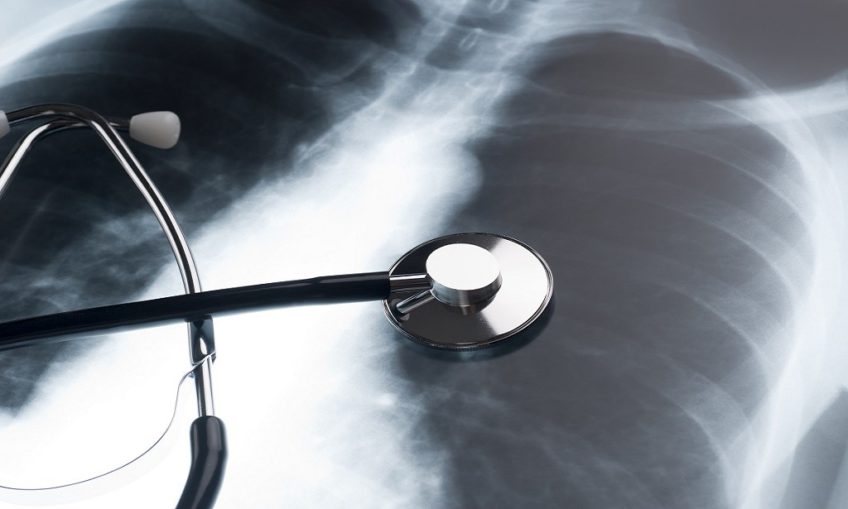
Up until the middle of the 1980s, a number of industries regularly used asbestos to fulfill tasks such as fire-proofing and insulation. In fact, this material was so popular with the construction industry that it could be present in any property built or renovated before the year 2000.
Although many companies valued asbestos and praised its properties, these firms may not have realised that it carried a number of dangers. For example, if this material is damaged or disturbed, it can release fibres into the air which may become hazardous if inhaled.
Potentially, sufferers could develop health conditions such as mesothelioma – a form of cancer which usually becomes apparent up to 60 years after a person first comes into contact with asbestos. Sadly, the outlook for this disease is poor, often killing the sufferer within three years of being diagnosed.
This condition claims the lives of over 2,000 people annually in the UK. This death rate has only risen in recent years. Although it can be caused by other factors, the majority of mesothelioma patients will have developed their symptoms after suffering asbestos exposure – perhaps as a result of working on building sites, ports, or even in schools.
Although asbestos-related diseases are largely associated with tradesmen, in the last ten years leading up to 2012, at least 140 teachers died from mesothelioma. As asbestos was widely used during construction projects, it appears that many firms also used this material when building schools. In fact, rather worryingly, the Department for Education (DfE) states that asbestos is present in more than 75% of these institutions.
Furthermore, it has been claimed that when asbestos-related diseases claim the life of a teacher – statistically speaking – nine children will also succumb to these conditions.
Fortunately, asbestos will only pose a danger to individuals when it is damaged or disturbed. Consequently, a spokesman for the DfE stated that “if asbestos is not disturbed or damaged, then it is safer to leave it in situ, with strong systems in place to contain and monitor it”.
Despite this, in 2012, government MPs and peers stated that the prevalence of asbestos in schools could be described as a “national scandal” and believed that more should be done to prevent staff members and students from developing asbestos-related diseases.
Although individuals were prohibited from importing, supplying, and using asbestos in 1999, it appears that many people are still being exposed to this dangerous substance. However, if you came into contact with asbestos, and were adversely affected, you may be entitled to claim industrial disease compensation with Healys LPP.
Asbestos is highly effective at resisting heat, corrosion, and also providing insulation. Consequently, it was well suited for the shipbuilding industry. As an example, this material was frequently used to coat boilers and incinerators in order to prevent these hazards from starting a fire at sea.
Unfortunately, unbeknownst to many individuals, asbestos carried several dangers. If disturbed or damaged, this material could release fibres into the air which might eventually cause a range of health conditions if inhaled – such as mesothelioma, an often fatal form of cancer.
Fortunately, legislation prohibited the use, importation, and supply of asbestos in 1999. However, as an individual might develop mesothelioma up to 60 years after originally coming into contact with this material, those who previously worked in the shipbuilding industry are still being diagnosed with asbestos-related diseases.
For example, during the early 21st Century, it was revealed that a large number of individuals had perished from these conditions in towns such as Sunderland, Newcastle, and Hartlepool – areas which were frequently associated with Britain’s shipbuilding past.
Although those who work in shipbuilding today are unlikely to experience asbestos exposure, individuals who were previously employed in this profession could be suffering from diseases such as mesothelioma, asbestosis, or lung cancer.
If you were adversely affected after coming into contact with this material, and another person or company’s negligence was responsible for your exposure, you may be entitled to receive damages through an asbestos claims solicitor.
At Healys LPP, our team has specialist knowledge of this subject area and will strive to help sufferers obtain maximum compensation. To find out if you are entitled to receive funds through us, please contact one of our experienced asbestos lawyers today.
Asbestosis is a condition caused by inhalation of asbestos dust and marked by a buildup of fibrous tissue in the lungs. This can cause serious scarring and impair breathing and result in a range of respiratory symptoms. If severe enough, it may eventually pose a threat to the sufferer’s life. There is a strong correlation between asbestosis and a later propensity to developing lung cancer.
Although any person who is suffering from the illness can claim, close relatives and dependents can claim too if the affected person has died within three years of the date of claim.
Proving that lung cancer was caused by asbestos can be very difficult, particularly if the affected individual is or ever has been a smoker. However, in certain cases where there is a documented history of prolonged exposure to asbestos-containing substances, it may be possible for the sufferer to claim compensation.
Healys LPP has specialist knowledge, skills and experience to advance your asbestos claim to the best possible conclusion.
Although our primary aim is always maximum compensation, our service is tailored to the client’s needs and helps with many related aspects, such as the provision of specialist care, treatment and support. In addition, we always aim to secure interim payments where possible for immediate needs.For advice and support to bring clarity and direction to your claim, talk to Healys lawyers at our Brighton or London offices today by contacting enquiries@healys.old-website.shout-loud.co.uk, or calling us at 0800 2800432.